
Heat Pump Installation in Stockton, CA
If your current heating and cooling system is becoming unreliable, replacing it should improve comfort—not create another set of problems. The new heat pump must be sized for your home, matched with compatible indoor equipment, and installed with the airflow and controls it needs to operate correctly.
B & B Heating and Air Conditioning, Inc. provides heat pump installation and replacement in Stockton, helping homeowners compare practical options for year-round comfort. Whether you are replacing an older heat pump or considering a change from a furnace and air conditioner, we will explain what the project requires before you make a decision.
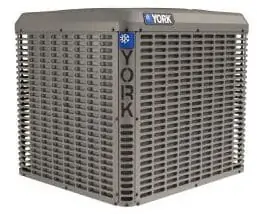
Our company has served local homeowners since 2004. Our NATE-certified technicians evaluate the home, existing equipment, ductwork, electrical requirements, and comfort concerns before recommending a system. As a York Certified Comfort Expert, we can also help you compare available York heat pumps and the features that matter for your home.
Call (209) 474-8100 or request a heat pump installation estimate for your Stockton home. Financing is available for qualifying installations.
Is a Heat Pump a Good Choice for a Stockton Home?
A heat pump provides air conditioning during warm weather and heating when temperatures drop. Instead of creating heat by burning fuel, it uses refrigerant, a compressor, and indoor and outdoor coils to move heat from one place to another.
During Stockton’s hot, dry summers, the system removes heat from inside the home and releases it outdoors. In heating mode, the refrigerant cycle reverses so the system can collect available heat from the outdoor air and move it indoors. This allows one system to handle both sides of the comfort cycle.
That year-round operation can make a heat pump worth considering when:
- Your existing heat pump is aging or becoming expensive to repair.
- You need to replace both a furnace and an air conditioner.
- You want to compare electric heating with your current setup.
- You are remodeling or changing how part of the home is used.
- You want heating and cooling from one matched system.
- You are interested in staged or variable-capacity equipment for more consistent comfort.
A heat pump is not automatically the best choice for every property. The existing electrical service, duct system, indoor equipment, available installation space, and household energy use all affect the decision. A useful estimate should explain those factors rather than assuming that the same solution fits every Stockton home.
Are You Replacing a Heat Pump or Converting From a Furnace?
The installation requirements depend partly on what is already in the home. Replacing an existing heat pump may appear straightforward, but the indoor and outdoor equipment still need to be compatible. The thermostat, refrigerant lines, electrical connections, condensate drainage, equipment pad, and duct connections should also be evaluated instead of automatically reused.
Converting from a furnace and central air conditioner can involve a broader set of decisions. Depending on the proposed system, the project may require a compatible air handler, changes to the electrical supply, a different thermostat, or modifications where the indoor equipment connects to the ductwork.
Some homeowners may also consider a dual-fuel configuration that combines a heat pump with a compatible furnace. In that arrangement, the controls determine which heating source operates based on system design and outdoor conditions. Whether that approach makes sense depends on the existing equipment, energy sources, comfort goals, and installation budget.
Replacing an Existing Heat Pump
A replacement should correct known comfort or reliability problems whenever possible. If the old heat pump short-cycled, produced weak airflow, or left certain rooms uncomfortable, installing another unit of the same nominal size may repeat the same problem. The cause could be equipment sizing, duct restrictions, return-air limitations, thermostat setup, or a combination of factors.
If the current system has stopped working but is not necessarily ready for replacement, consider having the problem diagnosed first. Our Stockton heat pump repair service can help determine whether a practical repair remains available.
Changing From a Furnace and Air Conditioner
When a heat pump replaces separate heating and cooling equipment, the estimate should account for the complete system—not just the outdoor unit. The installer needs to determine how heating will be provided, whether supplemental heat is appropriate, and whether the electrical system can support the selected equipment.
The condition of the air conditioner or furnace being replaced also matters. If one component is relatively new, replacing everything at once may not be the only option. A balanced recommendation should explain compatibility, project scope, and the tradeoffs involved so you can decide whether to replace now or plan the change for later.
How Do You Know When Heat Pump Replacement Is Worth Considering?
An older heat pump does not need to be replaced simply because of its age. Some systems remain serviceable with reasonable repairs and routine maintenance. Replacement becomes more relevant when the equipment’s condition, repair history, and performance suggest that continued investment may provide diminishing value.
It may be time to compare replacement options when:
- Repairs are becoming more frequent or more expensive.
- A major component, such as the compressor, requires substantial work.
- The system struggles to maintain comfortable temperatures.
- Heating or cooling performance has declined despite normal maintenance.
- Some rooms remain noticeably warmer or cooler than others.
- The equipment starts and stops more often than it did previously.
- Operating noise has become louder or more disruptive.
- Replacement parts are difficult to obtain.
- You need to replace multiple parts of the HVAC system.
- You want to compare newer efficiency and comfort-control options.
These signs do not prove that replacement is necessary. A restricted filter, thermostat problem, dirty coil, weak capacitor, duct leak, or airflow issue can cause symptoms that resemble equipment failure. Diagnosing the current system before recommending replacement helps prevent a repairable problem from turning into an unnecessary installation.
What Size Heat Pump Does Your Home Need?
Heat pump capacity should be based on the home’s actual heating and cooling requirements—not square footage alone and not simply the capacity of the old system. Stockton homes vary considerably, from older properties in established central neighborhoods to newer construction in the northern parts of the city. Insulation, windows, additions, duct layouts, and previous renovations can create very different heating and cooling loads in homes of a similar size.
Important sizing considerations include:
- The home’s square footage and layout.
- Ceiling height and room volume.
- Insulation levels and air leakage.
- Window size, condition, orientation, and sun exposure.
- Heat gain through the roof and attic during summer.
- The condition and capacity of the duct system.
- Available supply and return airflow.
- Rooms with recurring hot or cold spots.
- The number of occupants and normal household use.
- Changes made to the home since the existing system was installed.
An oversized heat pump may reach the thermostat setting quickly and shut off before completing a stable operating cycle. This can contribute to temperature swings, unnecessary component wear, and less effective humidity control during cooling.
An undersized system may run for extended periods and still struggle during demanding weather. Proper sizing supports steadier operation, more even temperatures, and better use of the equipment’s designed efficiency.
Will Your Existing Ductwork Work With the New Heat Pump?
A central heat pump depends on the duct system to deliver conditioned air and return air to the equipment. Even a properly sized heat pump can underperform when ducts are leaking, restricted, poorly balanced, or too small for the required airflow.
If certain rooms have always been difficult to heat or cool, mention them during the installation evaluation. Those comfort problems may reveal an undersized return, a disconnected duct, excessive leakage, or a distribution problem that should be considered before new equipment is installed.
Not every imperfection requires complete duct replacement. The purpose of evaluating the ductwork is to identify problems that could materially affect the new system and determine which improvements are worth including in the installation scope.
Which Heat Pump Features Are Worth Comparing?
Heat pumps are available with different efficiency ratings, operating stages, sound levels, and control options. The model with the longest feature list is not automatically the best fit. The goal is to choose equipment that matches the home, supports the comfort improvements you want, and makes sense for the installation budget.
When comparing heat pumps, consider:
- Cooling efficiency expressed through the SEER2 rating.
- Heating efficiency expressed through the HSPF2 rating.
- Single-stage, two-stage, or variable-capacity operation.
- Indoor and outdoor sound ratings.
- Compatibility between the outdoor unit and indoor equipment.
- Thermostat and control requirements.
- Available equipment dimensions and installation clearances.
- Manufacturer warranty coverage and registration requirements.
- Expected maintenance requirements.
- Initial installation cost and potential operating expenses.
Efficiency ratings make it easier to compare equipment under standardized testing conditions, but they do not predict the exact cost of operating the system in your home. Actual energy use depends on Stockton weather, thermostat settings, insulation, duct leakage, equipment sizing, installation quality, utility rates, and household habits.
What Do SEER2 and HSPF2 Mean?
SEER2 describes seasonal cooling efficiency. A higher rating indicates greater cooling efficiency under the test conditions used for the rating. HSPF2 measures seasonal heating efficiency and provides a similar comparison for heat pump heating operation.
These ratings are useful when comparing properly matched systems, but they should not be viewed in isolation. High-efficiency equipment cannot correct poor airflow, leaking ducts, incorrect refrigerant setup, or improper sizing. Installation conditions can have as much influence on real-world performance as the number printed on the equipment label.
Single-Stage Heat Pumps
A single-stage heat pump operates at its full available capacity whenever the thermostat calls for heating or cooling. This straightforward design may be appropriate when the equipment is correctly sized and more advanced capacity control is not a priority.
Because the system has one primary operating level, comfort depends heavily on correct sizing and adequate airflow. Oversized single-stage equipment may cycle more frequently, while properly selected equipment can provide dependable heating and cooling without unnecessary complexity.
Two-Stage Heat Pumps
A two-stage heat pump can operate at a lower capacity during moderate conditions and increase output when the home needs more heating or cooling. Longer operation at the lower stage may support steadier temperatures, quieter airflow, and fewer abrupt starts and stops.
The benefits depend on proper equipment matching, control setup, and system design. The indoor equipment and thermostat must be able to support both operating stages.
Variable-Capacity Heat Pumps
A variable-capacity heat pump can adjust its output across a wider operating range. Instead of repeatedly turning on at full capacity, it may run for longer periods at a lower output and increase capacity as conditions require.
When the complete system is designed and configured correctly, variable-capacity operation can provide more consistent temperatures and quieter performance. It may also improve humidity control during cooling. These systems generally require compatible indoor equipment and communicating controls, so the complete installation cost and service requirements should be considered.
What Happens Before the Installation Begins?
A well-planned heat pump installation begins before the old equipment is removed. The estimate should identify the proposed equipment, the components being replaced, and any additional work needed to prepare the home for the new system.
Preinstallation planning may include:
- Discussing current comfort problems and homeowner priorities.
- Evaluating the home’s heating and cooling requirements.
- Reviewing the existing indoor and outdoor equipment.
- Checking accessible ductwork and airflow conditions.
- Confirming equipment dimensions and required clearances.
- Reviewing electrical requirements.
- Checking thermostat and control compatibility.
- Planning refrigerant-line routing and condensate drainage.
- Determining whether the existing equipment pad can be reused.
- Identifying applicable permit or inspection requirements.
The written estimate should make it clear which equipment and services are included. If the project requires duct modifications, electrical work, a new thermostat, equipment relocation, or other changes, those items should be discussed before installation begins.
What Should You Expect During Heat Pump Installation?
The exact process depends on whether the project is a direct replacement, a system conversion, or part of a larger HVAC renovation. A typical installation may include the following steps.
- Protecting the work areas: The installation team prepares access routes and work areas around the indoor and outdoor equipment.
- Disconnecting the old system: Existing equipment is safely shut down and disconnected from its electrical, refrigerant, duct, drainage, and control connections as applicable.
- Removing replaced equipment: The old indoor and outdoor components included in the project are removed.
- Preparing the installation locations: The equipment pad, indoor platform, duct transitions, line connections, and access clearances are reviewed and prepared.
- Installing the new components: The heat pump and compatible indoor equipment are positioned and connected according to the project design.
- Completing electrical and control connections: Power, disconnects, thermostat wiring, and system controls are connected and configured.
- Preparing the refrigerant system: Refrigerant lines and connections are completed, tested, and prepared for operation using procedures appropriate to the equipment.
- Checking drainage and airflow: Condensate drainage, filter placement, blower settings, and accessible airflow conditions are reviewed.
- Starting and testing the system: The equipment is operated in its available heating and cooling modes so performance and thermostat response can be checked.
- Reviewing operation with the homeowner: The installer explains thermostat use, filter care, basic maintenance needs, and relevant warranty information.
Installation time varies with equipment accessibility, system configuration, required modifications, and whether additional electrical or ductwork is included. A direct replacement may require less work than converting a home from a furnace and air conditioner to a heat pump.
Why Does Heat Pump Installation Quality Matter?
A high-efficiency heat pump can still deliver disappointing results when it is installed incorrectly. The outdoor unit, indoor coil or air handler, blower, thermostat, ductwork, and refrigerant system must function as one complete system.
Installation details that can affect performance include:
- Correctly matching the indoor and outdoor equipment.
- Providing the airflow required by the selected system.
- Setting blower operation for the equipment and ductwork.
- Creating secure, well-sealed duct transitions.
- Following the manufacturer’s refrigerant-system procedures.
- Providing appropriate electrical protection and disconnects.
- Maintaining the required equipment clearances.
- Routing condensate drainage correctly.
- Configuring the thermostat and operating stages.
- Testing both heating and cooling operation.
Skipping these details can lead to weak airflow, frequent cycling, uneven temperatures, avoidable noise, drainage problems, and higher-than-expected energy use. Careful startup and testing help confirm that the new system responds correctly before the installation is considered complete.
How Much Does Heat Pump Installation Cost?
The cost of heat pump installation depends on more than the outdoor unit. Equipment capacity, efficiency, operating features, indoor components, controls, electrical requirements, and the condition of the existing installation all influence the final price.
Common cost factors include:
- The capacity and efficiency of the selected heat pump.
- Single-stage, two-stage, or variable-capacity operation.
- Whether the indoor equipment must also be replaced.
- The condition of the existing refrigerant lines.
- Electrical-panel capacity and circuit requirements.
- Thermostat and control upgrades.
- Duct transitions, repairs, or airflow improvements.
- Equipment access and installation difficulty.
- Removal and disposal of the old equipment.
- Applicable permits and inspections.
A low estimate may not represent the same scope as a more complete proposal. Before comparing prices, confirm that each estimate covers the indoor and outdoor equipment, controls, electrical work, duct connections, removal of replaced equipment, startup, testing, and any known modifications.
B & B Heating and Air Conditioning offers HVAC financing options for qualifying customers. Financing terms, approval requirements, and available plans should be reviewed before making a purchase decision.
Should You Replace the Thermostat With the Heat Pump?
The existing thermostat may not support the selected heat pump’s heating stages, cooling stages, supplemental heat, or communicating features. Even when the thermostat can turn the system on and off, that does not mean it can control every available function correctly.
Thermostat selection should account for:
- The number of heating and cooling stages.
- Whether supplemental or backup heat is included.
- Communicating-system requirements.
- Programmable scheduling preferences.
- Wi-Fi or remote-access features.
- Homeowner comfort with the controls.
The thermostat should be configured as part of the installation rather than treated as a separate afterthought. During the final walkthrough, the installer should explain how to change modes, adjust temperature settings, use schedules, and recognize normal system operation.
How Do You Protect a New Heat Pump After Installation?
A newly installed heat pump still requires routine care. Because it provides both heating and cooling, it may operate during much of the year. Filter condition, outdoor-coil clearance, airflow, drainage, and electrical components can all affect performance over time.
Homeowners can support the system by following the manufacturer’s filter instructions, keeping supply and return grilles unobstructed, and maintaining clear space around the outdoor unit. Avoid opening equipment panels or attempting refrigerant or electrical work yourself.
Professional heat pump maintenance in Stockton provides an opportunity to evaluate system operation, address routine service needs, and identify developing concerns. Warranty terms may also include registration and maintenance responsibilities, so review the manufacturer’s requirements after installation.
Who Will Install Your New Heat Pump?
The quality of the contractor matters because a heat pump is not a stand-alone appliance. Its performance depends on equipment selection, airflow, ductwork, refrigerant setup, electrical connections, thermostat configuration, and final testing.
B & B Heating and Air Conditioning, Inc. has helped homeowners with heating and cooling needs since 2004. Our NATE-certified technicians have demonstrated knowledge of HVAC installation and service, and our team has experience evaluating the complete system rather than treating the outdoor unit as the only component that matters.
As a York Certified Comfort Expert, we install York heating and cooling equipment and can explain the differences between available models. We focus on matching the system to the home, identifying installation requirements in advance, and helping homeowners understand what they are purchasing.
Homeowners choose B & B Heating and Air Conditioning for:
- Local HVAC experience dating back to 2004.
- NATE-certified technicians.
- York Certified Comfort Expert credentials.
- Heat pump installation, repair, and maintenance from one company.
- Equipment recommendations based on the home and existing system.
- Clear explanations of installation requirements and available options.
- Financing options for qualifying installations.
- Service throughout Stockton, Lodi, Manteca, Tracy, and Linden.
Our California contractor license number is 868418. You can learn more about our local heating and cooling services on our Stockton HVAC service page.
What Should You Ask Before Approving an Installation?
A heat pump estimate should give you enough information to understand what is being installed and what work is included. Before approving a proposal, ask questions about the equipment, project scope, warranty, and any conditions that could change the final cost.
Useful questions include:
- How was the recommended equipment capacity determined?
- Which indoor and outdoor components are included?
- Are the proposed components approved to operate together?
- Will the existing thermostat be reused or replaced?
- Does the electrical system require any changes?
- Are duct modifications or airflow improvements included?
- Will the existing refrigerant lines be reused or replaced?
- Who is responsible for applicable permits and inspections?
- What testing will be completed after startup?
- What warranty registration or maintenance steps are required?
- What is excluded from the quoted price?
The answers should be specific to your home and the proposed equipment. If an estimate relies only on square footage or the capacity of the old unit, ask how insulation, windows, airflow, ductwork, and existing comfort problems were considered.
Ready to Discuss Heat Pump Installation in Stockton?
You should not have to choose a new heat pump without understanding how it will fit your home. B & B Heating and Air Conditioning can evaluate your existing system, discuss your comfort concerns, and explain appropriate installation and replacement options.
Call (209) 474-8100 or request an estimate online to get started. We provide heat pump installation and replacement for homeowners in Stockton and throughout our service area.
Frequently Asked Questions About Heat Pump Installation
Does a heat pump provide both heating and air conditioning?
Yes. During warm weather, a heat pump removes heat from inside the home and transfers it outdoors. In heating mode, it reverses the refrigerant cycle and transfers available heat from the outdoor air into the home. The same system can therefore provide both heating and cooling.
Can a heat pump replace both my furnace and air conditioner?
In many homes, a properly designed heat pump system can replace both a furnace and central air conditioner. The decision depends on the home’s heating and cooling requirements, existing ductwork, electrical capacity, indoor equipment, and the type of system selected. Some homes may also use a heat pump with a compatible furnace in a dual-fuel configuration.
How long does heat pump installation take?
The installation timeline depends on the project. A straightforward replacement may take less time than a conversion from a furnace and air conditioner. Duct modifications, electrical work, equipment relocation, access limitations, or control upgrades can extend the schedule. The expected timeline should be discussed after the home and existing system have been evaluated.
Will I need new ductwork for a heat pump?
Not necessarily. Existing ductwork may be reusable when it is appropriately sized, adequately sealed, and capable of providing the airflow required by the new equipment. Leaking, damaged, restricted, or undersized ducts may need repair or modification. An evaluation should focus on problems that could materially affect comfort and system performance.
What size heat pump does my home need?
The appropriate capacity depends on more than square footage. Insulation, windows, air leakage, ceiling height, sun exposure, home layout, ductwork, and local weather all influence heating and cooling requirements. Replacing the old system with equipment of the same capacity may not be appropriate if the previous system was incorrectly sized or the home has changed.
Should I repair or replace my existing heat pump?
Consider the system’s age, condition, repair history, performance, and the cost of the proposed repair. A serviceable thermostat, airflow problem, capacitor, or other component may justify repair. Replacement may be worth comparing when major repairs are needed, breakdowns are becoming frequent, or the equipment no longer meets the home’s comfort needs. A diagnosis should come before a replacement recommendation whenever practical.
How often does a new heat pump need maintenance?
Follow the maintenance schedule provided by the equipment manufacturer. Because a heat pump provides both heating and cooling, it may operate during much of the year. Filter care, airflow, outdoor-coil condition, drainage, electrical components, and system operation all require periodic attention. Ask which seasonal maintenance schedule is appropriate for the installed equipment.
Does B & B Heating and Air Conditioning offer financing?
Yes. B & B Heating and Air Conditioning offers financing options for qualifying HVAC installations. Available plans, approval requirements, interest rates, and payment terms may vary. Review the current financing terms before approving the installation.
Schedule Heat Pump Installation Estimate


 Trustindex verifies that the original source of the review is Google.
 Trustindex verifies that the original source of the review is Google.
 Trustindex verifies that the original source of the review is Google.
 Trustindex verifies that the original source of the review is Google.
 Trustindex verifies that the original source of the review is Google.
 Trustindex verifies that the original source of the review is Google.
 Trustindex verifies that the original source of the review is Google.
 Trustindex verifies that the original source of the review is Google.